Bundle Eligible Projects and Save
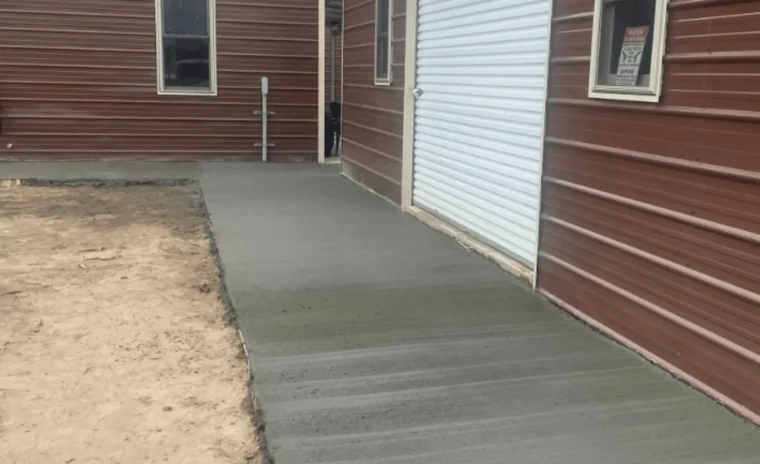
Asphalt vs Concrete: Which Saves More Over Time
Installation Investment: What You’ll Pay Upfront
Material selection begins with understanding installation costs.
Several factors influence these numbers in the Pee Dee region. The hot, humid South Carolina summers actually favor asphalt installation, as the material cures efficiently in warm temperatures.
Regional soil conditions also matter. The clay-heavy soils common around Florence demand proper excavation and base preparation for either material. Poor drainage can undermine any driveway, so working with experienced contractors who understand local ground conditions protects your investment from the start. Budget for adequate base work regardless of surface material; cutting corners here leads to premature cracking and settling.
How Long Will It Last?
When planning a new driveway, homeowners and property managers across Florence, SC face a fundamental decision: asphalt or concrete? Both materials offer distinct advantages, yet the choice often comes down to upfront investment, expected service life, and the reality of ongoing care. Understanding these factors helps you make an informed decision that aligns with your budget, climate conditions, and long-term property goals.
This comprehensive comparison examines the real costs, lifespan expectations, and maintenance demands of asphalt and concrete driveways, giving you the practical information needed to choose wisely.
Initial Investment: What to Expect
Cost is often the first consideration when selecting a driveway material. Asphalt typically presents a lower initial expense, ranging from $3 to $5 per square foot installed, while concrete generally costs between $5 and $10 per square foot. For a standard two-car driveway of approximately 600 square feet, this translates to $1,800 to $3,000 for asphalt versus $3,000 to $6,000 for concrete.
Several factors influence these baseline figures. Site preparation requirements, such as excavation depth and base material quality, affect both options equally. Decorative finishes, stamped patterns, color additives, or exposed aggregate, can push concrete costs significantly higher, sometimes exceeding $15 per square foot. Asphalt offers fewer aesthetic customization options, which contributes to its lower cost profile but also limits design flexibility.
In South Carolina’s climate, where summer temperatures routinely exceed 90 degrees and humidity remains high, proper drainage and base preparation become especially important for both materials. The hot, humid conditions demand attention to sub-grade compaction and water management, adding to the importance of professional installation.
Service Life: How Long Will Your Driveway Last?
Lifespan projections reveal one area where concrete holds a clear advantage. A properly installed and maintained concrete driveway can last 30 to 40 years, while asphalt driveways typically serve 15 to 20 years before requiring replacement. This difference narrows the long-term cost gap between the two materials, particularly when maintenance expenses factor into total ownership costs.
Environmental conditions play a substantial role in durability. Concrete performs well in hot climates and resists softening under sustained heat, making it well-suited to South Carolina summers. Asphalt, conversely, can soften in extreme heat, leading to surface impressions from vehicle tires or patio furniture. However, asphalt handles freeze-thaw cycles better than concrete where those conditions exist, though this advantage matters less in the Florence region where deep freezes remain uncommon.
Traffic patterns and usage intensity also affect longevity. Heavy vehicles, frequent turning in place, and sharp-edged loads accelerate wear on both surfaces. Commercial properties with delivery trucks or equipment storage may see shortened lifespans regardless of material choice, emphasizing the importance of selecting the appropriate thickness and base construction for anticipated loads.
Maintenance Requirements: Time and Effort
Ongoing maintenance demands differ significantly between asphalt and concrete, influencing both the convenience and cumulative cost of ownership. Asphalt requires sealcoating every two to three years to protect against oxidation, water infiltration, and surface deterioration. This process involves applying a protective layer that restores the surface appearance and extends pavement life. The cost typically ranges from $0.15 to $0.25 per square foot, adding $90 to $150 per application for a 600-square-foot driveway.
Concrete, by contrast, demands less frequent attention but faces different challenges. Regular cleaning and occasional resealing, every three to five years, help maintain appearance and protect against staining. Cracks, when they appear, require prompt repair to prevent water intrusion that can undermine the slab. Once concrete cracks, repair options are more limited and often more costly than comparable asphalt repairs.
Both materials benefit from proactive care. Prompt pothole repair prevents small defects from expanding into larger problems. Oil stains, gasoline spills, and de-icing chemicals should be cleaned quickly from either surface. In the humid South Carolina climate, mildew and organic staining can affect both asphalt and concrete, making periodic pressure washing a practical maintenance step.
Climate Considerations for Florence and Surrounding Areas
Local weather patterns matter more than many property owners realize. Florence experiences hot, humid summers with temperatures frequently in the 90s, mild winters with occasional freezing nights, and substantial annual rainfall. These conditions influence how each material performs over time.
Asphalt’s dark surface absorbs significant heat, which can soften the binder on extremely hot days. This softening makes the surface more vulnerable to impressions and can create a slightly tacky feel underfoot during peak summer afternoons. Concrete’s lighter color reflects more heat, keeping the surface cooler and maintaining rigidity even in high temperatures, a practical advantage for barefoot traffic near garages or entryways.
Water management proves critical in both cases. The region’s heavy rainfall events demand proper drainage design to prevent pooling and water infiltration beneath the pavement. Standing water accelerates deterioration in asphalt through oxidation and can undermine concrete slabs by eroding the base material. Professional installation that accounts for local soil conditions and drainage patterns significantly extends the functional life of either material.
Repair and Restoration Options
When damage occurs, repair strategies differ between the two materials. Asphalt repairs often blend more seamlessly with the existing surface, especially if performed within a few years of the original installation. Patching compounds bond well to aged asphalt, and fresh sealcoating can unify the appearance. Small cracks can be filled with rubberized crack filler, while larger potholes require removal and replacement of the damaged section.
Concrete repairs present greater aesthetic challenges. Patching compounds rarely match the color and texture of the original pour, leaving visible evidence of repair work. This makes careful initial installation and proactive maintenance even more important for concrete. However, techniques such as resurfacing or applying decorative overlays can restore appearance when extensive surface damage occurs, though at significant cost.
For property owners considering resale value, the visibility of repairs matters. Well-maintained asphalt that has been regularly sealed presents a uniform, clean appearance. Concrete, if kept crack-free and clean, conveys permanence and quality. Poorly maintained examples of either material detract from curb appeal and property value.
Environmental and Practical Considerations
Sustainability-minded property owners may weigh the environmental footprint of each option. Asphalt is recyclable; old pavement can be milled and incorporated into new mixes, reducing demand for virgin materials. Concrete production generates substantial carbon emissions due to the cement manufacturing process, though the material’s longevity partially offsets this impact through reduced replacement frequency.
Permeability represents another environmental consideration. Traditional asphalt and concrete are both impermeable, contributing to stormwater runoff. Permeable versions of each material exist, allowing water to filter through the surface and recharge groundwater, though these specialized installations cost more and require additional maintenance to prevent clogging.
Practical considerations extend to seasonal use patterns. Asphalt installations cure relatively quickly, often ready for light traffic within one to two days. Concrete requires a longer curing period, typically seven days before vehicle traffic, which may affect project timing. For properties where access interruption presents challenges, this difference matters.
Making the Right Choice for Your Property
The decision between asphalt and concrete ultimately depends on your specific priorities, budget, and timeline. Asphalt offers lower initial costs, easier repairs, and quicker installation, making it attractive for budget-conscious projects or properties where aesthetic customization is less important. Its shorter lifespan and regular maintenance requirements must be factored into the total cost calculation.
Concrete provides superior longevity, heat resistance, and design flexibility at a higher upfront price. For property owners planning long-term occupancy or seeking a permanent, low-maintenance solution, the extended service life justifies the investment. The material’s performance in hot climates makes it particularly well-suited to South Carolina conditions, though proper installation remains essential to realizing its full potential.
Both materials perform reliably when installed correctly and maintained appropriately. The key lies in matching the material to your situation: traffic patterns, aesthetic preferences, maintenance willingness, and budget constraints all play legitimate roles in the decision.
Professional Installation Makes the Difference
Regardless of which material you choose, professional installation directly affects performance and longevity. Proper site preparation, appropriate base depth and compaction, correct drainage design, and quality materials all contribute to a driveway that meets or exceeds its expected service life.
At LR Industries, we bring extensive experience in both asphalt paving service and concrete installation service to residential and commercial projects throughout Florence and the surrounding region. Our team understands the unique demands of South Carolina’s climate and soil conditions, ensuring your driveway is built to last. From initial excavation and land clearing service through final finishing, we handle every phase of your project with attention to quality and long-term performance.
Whether you need a new installation, asphalt repair serviceor concrete repair servicewe provide honest guidance tailored to your property and goals. Our commitment to quality workmanship means you can trust your investment will deliver reliable service for years to come.
If you are ready to move forward with a new driveway or need expert advice on which material suits your situation best, we invite you to reach out. Contact us today at our contact page or call 8432038648 to discuss your project. Let us help you make an informed decision and deliver a driveway built to meet your needs.
Year-Round Upkeep: Maintenance That Matters
Maintenance requirements differ sharply between materials. Asphalt demands regular attention: sealcoating every 2 to 3 years protects against UV degradation, moisture intrusion, and surface oxidation. In Florence’s intense summer sun, skipping sealcoating accelerates surface breakdown and leads to costly repairs. Routine crack filling prevents water from penetrating the base, which is critical during humid months when moisture lingers.
Concrete requires less frequent intervention but isn’t maintenance-free. Pressure washing removes dirt and mildew that accumulate in South Carolina’s damp climate. Sealing concrete every 3 to 5 years guards against staining and moisture absorption, though many homeowners skip this step without immediate consequences. Small cracks should be filled promptly to prevent them from widening during temperature swings or heavy rain events.
Seasonal considerations matter in the Pee Dee region. Spring and fall are ideal for asphalt sealcoating, when temperatures are moderate and humidity is lower. Summer heat makes sealant dry too quickly, while winter cold prevents proper adhesion. For concrete, avoid sealing during the humid summer months when trapped moisture can cause haze or discoloration. Both materials benefit from keeping drainage clear; clogged edges and standing water shorten lifespan significantly.
When Repairs Add Up
Total cost of ownership extends far beyond installation day. Asphalt’s lower upfront price comes with higher recurring maintenance. Sealcoating costs $0.15 to $0.40 per square foot every few years; for a 600-square-foot driveway, budget $90 to $240 per session. Minor crack repair runs $100 to $300 per visit. Over 20 years, maintenance expenses can add $2,000 to $4,000 to the initial investment.
Concrete’s lower maintenance frequency reduces ongoing costs. Sealing costs $1 to $2 per square foot but occurs less often. Crack repair is more expensive per linear foot ($3 to $8) because concrete patching demands more specialized materials and skill. However, if installed correctly and spared from freeze-thaw cycles, many concrete driveways go decades with minimal intervention. The risk lies in catastrophic failure: if large sections crack or settle, replacement often makes more financial sense than repair, which can mean a $5,000+ bill.
Florence’s climate tilts the equation. Asphalt’s flexibility absorbs the seasonal moisture shifts common in clay soils, reducing major repair risk. Concrete’s longer lifespan offsets higher installation costs if the driveway remains stable. Calculate total cost by adding installation, maintenance over the expected lifespan, and an estimated repair or replacement event. An experienced asphalt paving contractor or concrete installation service can provide site-specific guidance based on soil conditions, drainage, and usage patterns. Over a 25-year period, concrete often costs less per year despite the higher entry price, but asphalt offers quicker replacement cycles if future changes are planned.
Choosing Your Driveway
Total cost of ownership extends far beyond installation day. Asphalt’s lower upfront price comes with higher recurring maintenance. Sealcoating costs $0.15 to $0.40 per square foot every few years; for a 600-square-foot driveway, budget $90 to $240 per application. Florence’s heat accelerates surface wear, making this interval critical.
Isolated cracks can be filled for $200 to $500, but structural failures requiring slab replacement cost $800 to $1,500 per section. South Carolina’s clay-heavy soils shift with seasonal moisture changes, increasing settlement risk. Once a concrete panel fails, partial replacement often creates visible color mismatches that never fully blend.
Over a 20-year span, asphalt maintenance (sealcoating, crack filling, occasional patching) typically totals $2,500 to $4,500 for an average residential driveway. Concrete maintenance over the same period runs $800 to $2,000, assuming no major structural repairs. Add those figures to initial installation costs, and the gap narrows considerably. For properties planning to stay long-term, concrete’s durability offsets its higher entry price. For homes with shorter ownership horizons, asphalt’s lower total outlay through year ten makes financial sense.